

A Guide to Pricing Your Serviced Accommodation Nightly Rates Effectively.
Pricing is one of the most important elements of running a successful serviced accommodation business, and developing a strong SA Pricing Strategy is essential for maximising revenue and maintaining consistent occupancy. The serviced accommodation market shifts quickly, influenced by changing travel patterns, increased competition, and fluctuating demand, which means your nightly rates must be informed by reliable data rather than guesswork. A well-designed pricing strategy helps ensure your property performs at its full potential throughout the year.
The serviced accommodation sector has evolved significantly, driven by shifting travel patterns, increased competition, and the growing use of technology within the short-stay industry. In 2025, effective pricing means understanding your market, monitoring demand, and using data-led tools to ensure your nightly rates reflect real conditions at all times.
This guide outlines a clear, structured approach to pricing your serviced accommodation effectively, without repeating points or relying on guesswork.
Why Your Pricing Strategy Matters
Your nightly rate does more than determine income for a single booking. It influences your overall occupancy levels, market competitiveness, and ability to attract the right types of guests.
A strong pricing strategy helps you:
- Maintain healthy occupancy throughout the year
- Protect your profitability, even during slower periods
- Maximise revenue during peak demand
- Position your property correctly in the market
- Appeal to the type of guest best suited to your accommodation
The better your strategy, the more predictable and stable your income becomes, making your property less vulnerable to seasonal fluctuations or competitive changes.
The Decline of Static Pricing
In previous years, some operators set a single nightly rate and kept it unchanged for long periods. This approach is no longer viable for several reasons:
- Demand fluctuates daily rather than seasonally
- Events in the local area can temporarily increase booking opportunities
- Competitors adjust their prices constantly
- Guest behaviour shifts depending on the day of the week
- Platform algorithms reward competitive and responsive pricing
Static pricing ignores these fluctuations, leading to underperformance. You risk charging too much during low-demand periods, resulting in empty calendar gaps, or too little during high-demand periods, reducing potential profit.
The Rise of Dynamic Pricing
Dynamic pricing has become the industry standard for effective rate setting. While we will not mention specific tools, modern dynamic pricing systems analyse a wide range of live data, including:
- Demand levels in your local market
- Competitor availability and price movements
- Seasonal booking behaviour
- Day-of-week trends
- Event-driven demand spikes
- Longer-term market forecasts
These systems adjust your nightly rates automatically, ensuring your property stays relevant and competitively priced. Operators who adopt dynamic pricing typically experience stronger annual performance, more consistent occupancy, and a better balance between low and high seasons. Airbnb provides host guidance on how automated pricing works, which you can explore here:
https://www.airbnb.co.uk/help/article/1168/what-is-smart-pricing.
Factors That Should Influence Your Nightly Rate
To build a sustainable pricing strategy, it is necessary to understand the main variables that affect the value of your property in the eyes of potential guests.
Location-Based Demand
Different cities have different demand drivers. For example:
- Brighton experiences heavy seasonal tourism.
- Birmingham attracts business travellers and event attendees throughout the year.
- Coventry benefits from consistent contractor demand linked to ongoing infrastructure work.
- Nottingham sees strong activity around university and arena events.

Different UK cities experience demand fluctuations at different times of the year, influenced by tourism, business travel, and local events. The Office for National Statistics publishes regular data on UK travel trends, which can help you understand demand patterns in your region: https://www.ons.gov.uk/peoplepopulationandcommunity/leisureandtourism. Your pricing should align with demand cycles in your specific area, not general assumptions based on the wider UK market.
Property Features and Quality
Your property’s specifications directly influence the price you can command. Consider:
- Size and bedroom count
- Parking availability
- Proximity to city centres or transport hubs
- Quality of furnishings
- Availability of work-friendly spaces
- Outdoor areas or unique features
Higher-quality, well-located properties can maintain stronger pricing tiers than basic setups.
Operating Costs and Minimum Viable Rate
A sustainable pricing strategy begins with understanding your expenses. These may include:
- Rent or mortgage
- Utilities
- Housekeeping
- Maintenance
- Consumables and supplies
- OTA commissions
- Management fees
Your nightly rate should never fall below a figure that protects your bottom line. Establishing a minimum viable rate ensures every booking contributes positively to overall profitability.
Seasonal and Booking Behaviour Patterns
Serviced accommodation demand rises and falls depending on the time of year, the purpose of guest stays, and local activity. Leisure travel peaks during warmer months, while contractor and business stays may dominate during off-peak seasons.
Guest booking behaviour also varies. Contractors often book with short notice, while leisure guests book much earlier. Understanding these patterns allows you to adjust your calendar strategically.
Building an Effective Pricing Strategy
A strong pricing strategy is structured, flexible, and grounded in data. Below is a clear framework for setting rates without duplicating concepts.
Step 1: Set a Base Rate Anchored in Real Value
Your base rate should reflect your property’s average performance under normal market conditions. This becomes your anchor point from which adjustments can be made. It is not a fixed number, but a reference figure that helps maintain consistency in your pricing structure.
Step 2: Create a Defined Pricing Range
Instead of choosing one price, build a pricing range that includes:
- A minimum acceptable rate
- A standard operating range
- A premium range for high demand
This structure allows you to respond quickly to changing conditions while keeping overall control of your yields.
Step 3: Analyse Lead Time Trends
Lead time refers to how far in advance guests book. Identifying lead time trends enables you to fine-tune pricing during slow periods or when events are approaching. If bookings usually occur close to check-in, rates may need to be more adaptable in the short term.
Step 4: Offer Structured Long-Stay Incentives
Longer bookings reduce operational costs and provide calendar stability. Instead of applying blanket reductions, tailor your long-stay discounts based on occupancy for the month, guest type, and upcoming events. This ensures discounts support your revenue strategy rather than dilute it.
Step 5: Track Market Availability and Competitor Tension
Market tension refers to how much availability exists in your area at a given time. When supply is tight, prices should rise. When there is an oversupply, more competitive pricing may be required. Monitoring this tension helps ensure your pricing reacts to real demand rather than assumptions.
Step 6: Adjust Weekday and Weekend Pricing Separately
Weekday and weekend demand often differ significantly, depending on your guest type. A contractor-focused property may see stronger weekday demand, while leisure-heavy regions perform best on weekends. Adopting a day-specific pricing approach helps avoid missed opportunities.
Step 7: Stay Aware of Local Events
Local events, conferences, concerts, sports fixtures, and university functions can all cause temporary surges in demand. Keeping a simple events calendar allows you to plan ahead, raise rates appropriately, and avoid selling peak nights too cheaply.

Additional Strategies to Strengthen Your Pricing
Below are strategies used by high-performing operators to optimise their revenue further.
Refine Your Listing to Justify Higher Rates
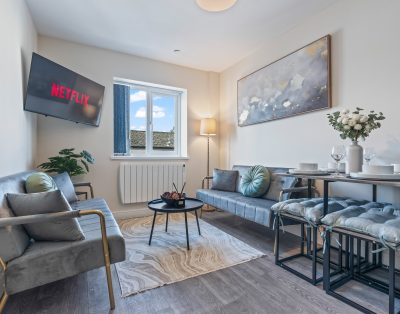
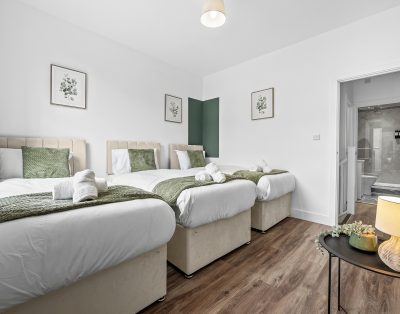
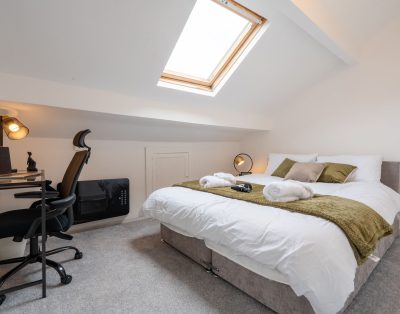
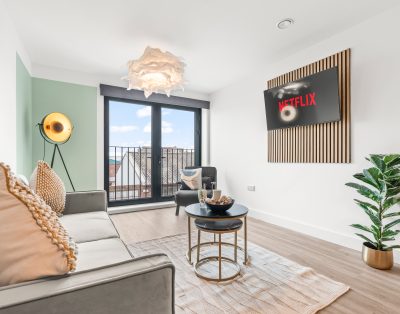
Your listing should accurately reflect the quality of your property. Clear descriptions, high-quality images, and well-presented amenities create the perception of value, allowing for stronger pricing performance.
Review Your Metrics Monthly
Regular analysis helps you maintain long-term control of your business. Useful metrics include:
- Average Daily Rate (ADR)
- Occupancy Percentage
- Revenue Per Available Night (RevPAN)
- Length of Stay
- Booking Window
- Cancellation Trends
Reviewing these figures monthly helps ensure your pricing stays relevant.
Align Pricing With Your Most Profitable Guest Type
If you receive mostly contractor bookings, structure pricing to attract more of them through competitive weekday rates and long-stay offers. If you rely heavily on event traffic, focus on identifying and capturing peak demand dates. Aligning pricing with guest behaviour strengthens both revenue and occupancy.
Conclusion
Pricing your serviced accommodation effectively requires more than choosing a number and hoping for the best. A strong strategy accounts for market conditions, guest behaviour, property value, and demand cycles. Technology such as dynamic pricing software has become essential for keeping your property competitive, but the foundation must still be built on clear pricing principles.
By understanding your market, analysing your costs, defining a structured pricing range, and adapting your rates to real-time conditions, you position your serviced accommodation for long-term success, stronger occupancy, and increased profitability.
To optimise your SA Pricing Strategy and maximise your property’s performance, contact Panda Property Group today.